Archery Merit Badge
Overview
Archery is a fun way for Scouts to exercise minds as well as bodies, developing a steady hand, a good eye, and a disciplined mind. This merit badge can provide a thorough introduction to those who are new to the bow and arrow—but even for the experienced archer, earning the badge can help to increase the understanding and appreciation of archery.
Requirements
- (1) Do the following:
-
(a) Explain what a projectile is, and why any device that shoots a projectile at high speed must be handled with care and respect, and used only in approved locations.
Resources: High-Speed Collisions in Space - Experiments with a Carrot Gun (video)
-
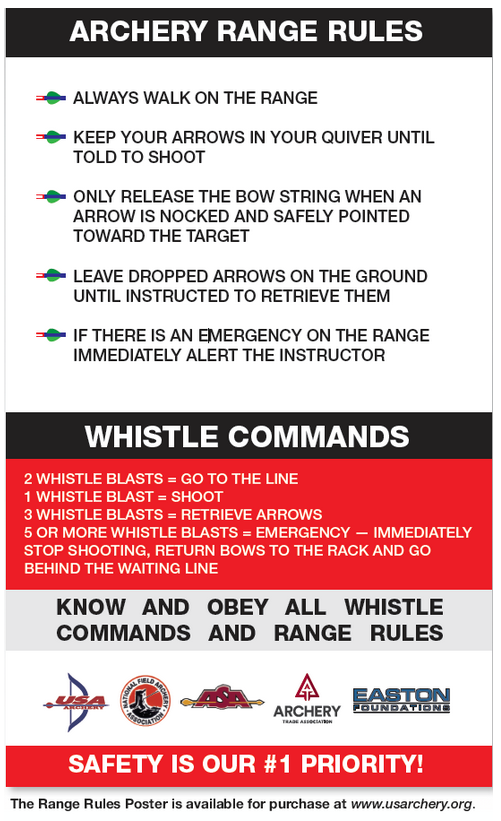
(b) Explain the five range safety rules.
Resources: Archery Range Rules (photo)
-
(c) Explain the four whistle commands used on the range.
Resources: Archery Range Rules (photo)
-
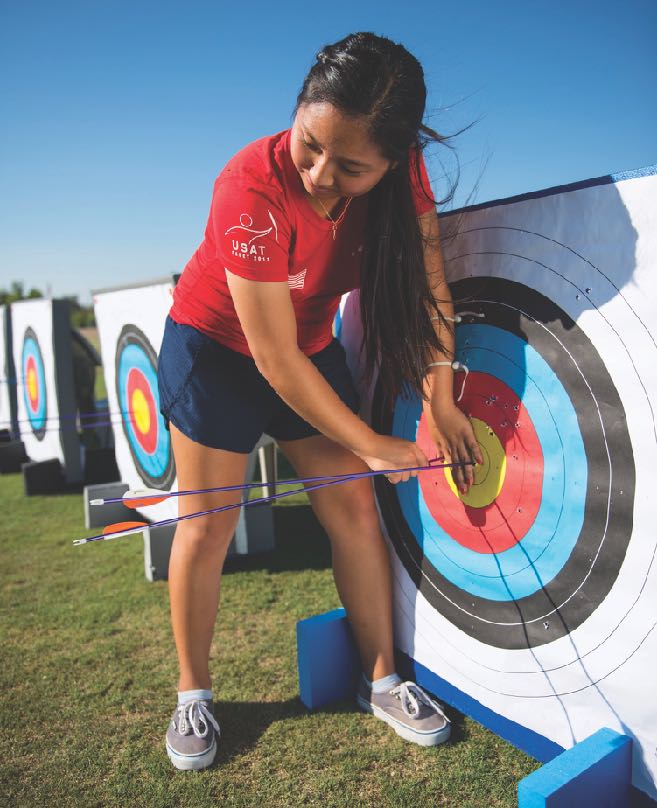
(d) Explain how to safely remove arrows from the target and return them to your quiver.
Resources: How To Safely Pull Your Arrows From The Target (video), Retrieving Arrows (photo)
-
(e) Tell your counselor about your local and state laws for owning and using archery equipment.
Resources: Regulations by State (website)
-
- (2) Do the following:
-
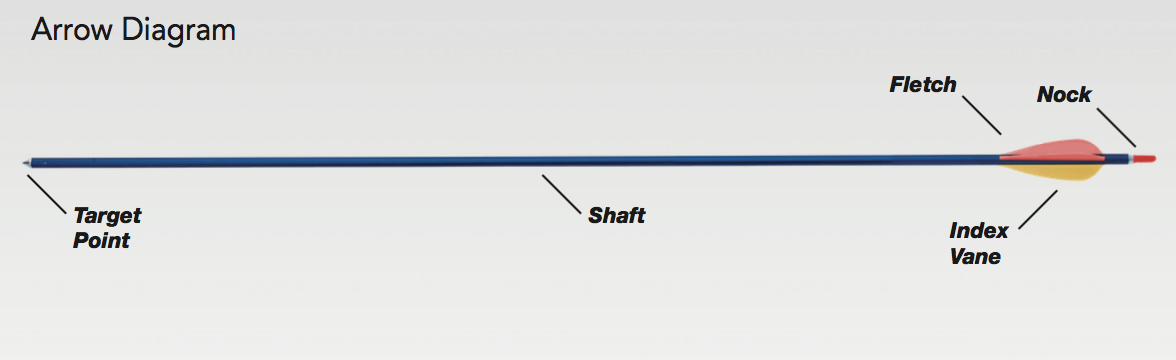
(a) Name and point to the parts of an arrow.
Resources: Diagram of Arrow (photo), How To Measure an Archer’s Arrow Length (video)
-
(b) Describe three or more different types of arrows.
Resources: Different Types of Arrows and Uses (website)
-
(c) Name the four principal materials for making arrow shafts.
Resources: Different Types of Arrows and Uses (website)
- (d) Do ONE of the following:
-
(1) Make a complete arrow from a bare shaft using appropriate equipment available to you.
Resources: How To Make Wood Arrows in 5 Steps (video)
-
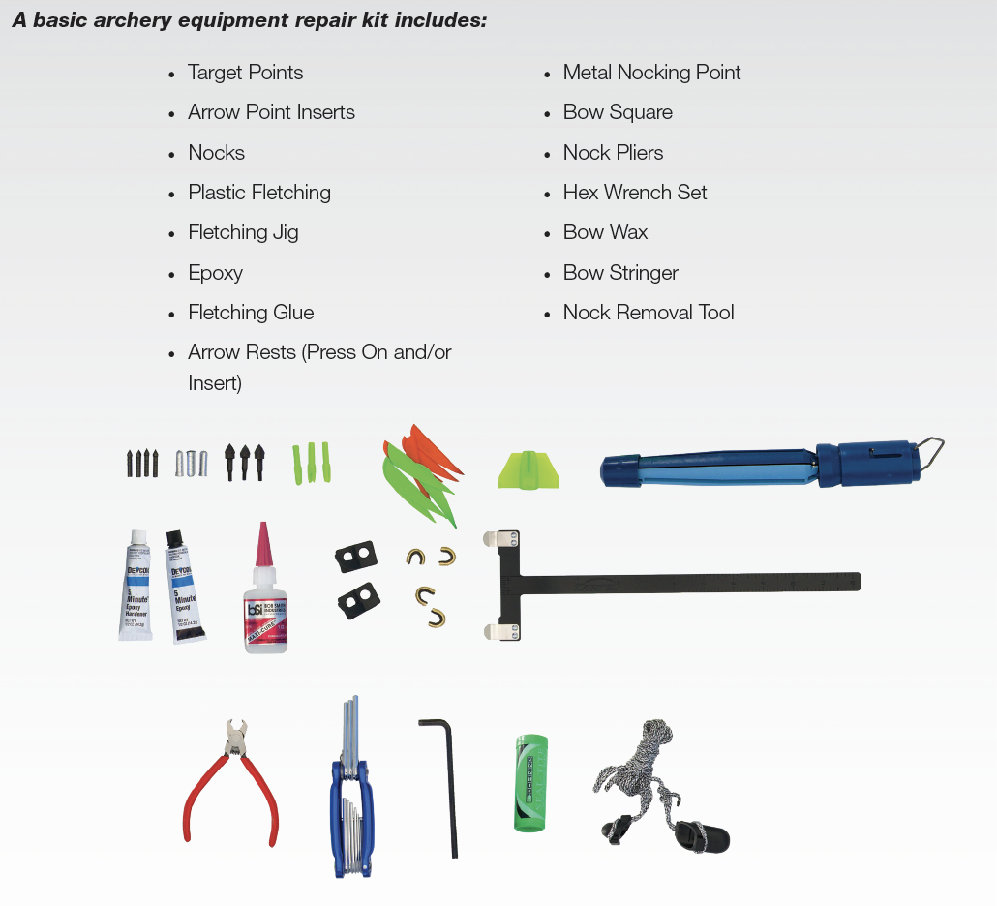
(2) To demonstrate arrow repair, inspect the shafts and prepare and replace at least three vanes, one point, and one nock. You may use as many arrows as necessary to accomplish this. The repairs can be done on wood, fiberglass, or aluminum arrows.
Resources: How To Replace the Nocking Point (video), Basic Repair Kit (photo), How To Replace the Arrow Fletching (video), How To Replace the Nock (video), How To Replace the Target Point (video)
-
-
(e) Explain how to properly care for and store arrows.
Resources: How To Store Arrows (video)
-
- (3) Do the following:
-
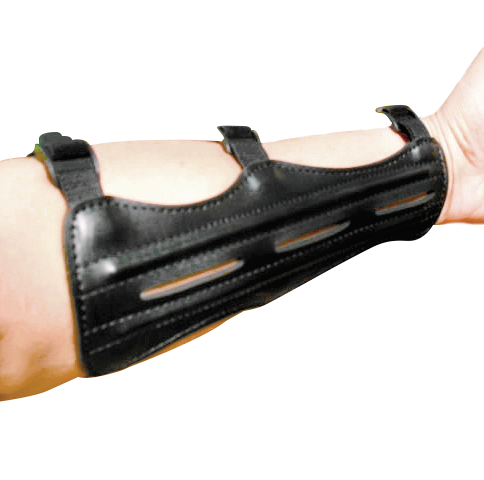
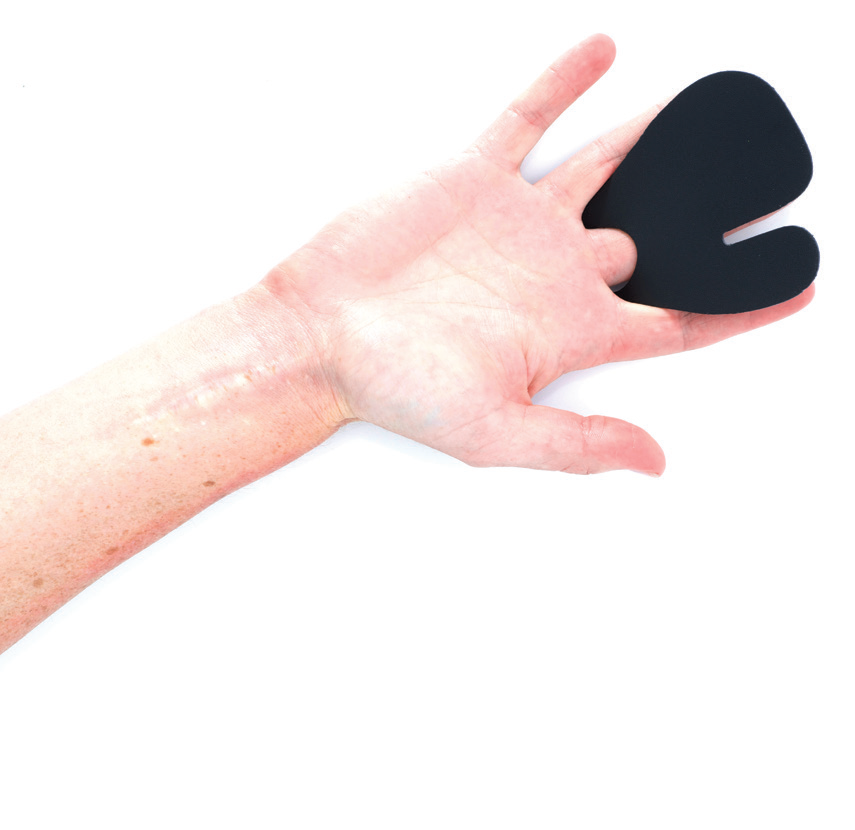
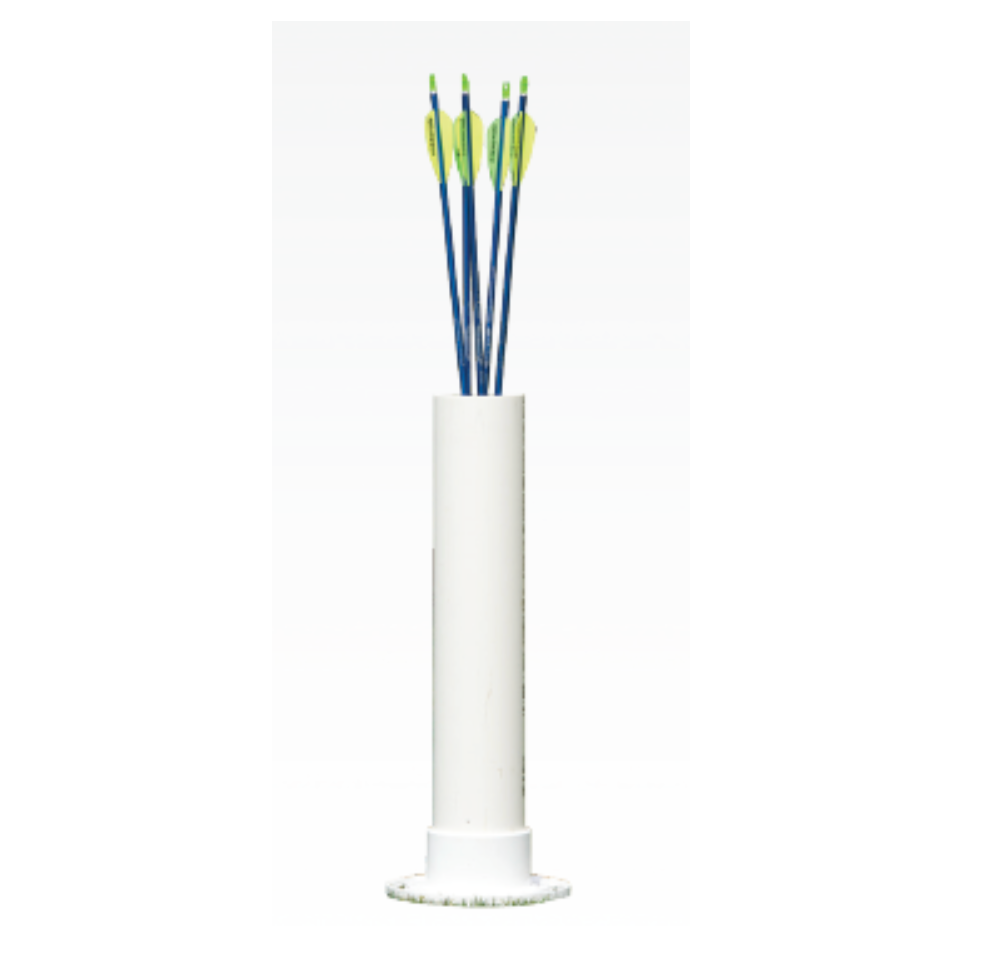
(a) Explain the proper use, care, and storage of, as well as the reasons for using tabs, arm guards, shooting gloves, and quivers.
Resources: How To Wear Your Archery Gear Correctly (video), Arm Guard (photo), Finger Tab on Hand (photo), Quiver (photo)
-
(b) Explain the following terms: draw length, draw weight, mechanical release, and barebow.
Resources: Basic Archery Terms (video)
-
- (4) Explain the following:
-
(a) The difference between an end and a round
Resources: NFAA Indoor: Fundamentals of an Indoor Round (video)
-
(b) The differences among field, target, and 3-D archery
Resources: How To Shoot: 3D, Field, and Outdoor Target Archery (website)
-
(c) How the five-color World Archery Federation target is scored
Resources: How To Score an Archery Target (video)
-
(d) How the National Field Archery Association (NFAA) black-and-white field targets and blue indoor targets are scored
Resources: How To Score an NFAA Field Archery Target (video)
-
-
(5) Working under the supervision of a certified USA Archery Level 1 Instructor or a certified long-term camp staff member (i.e., a National Camping School [NCS] Range Activities Director; or a Rangemaster over age 18 who is trained by a NCS Range Activities Director or by a USA Archery Level 1 Instructor), do ONE of the following options:Note: When using a Genesis bow, apply the requirements in Option A.
Resources: How Is a Compound Bow Different From a Recurve Bow? (video)
- Option A—Recurve Bow or Longbow. Do ALL of the following:
-
(1) Name and point to the parts of the recurve or longbow you are shooting.
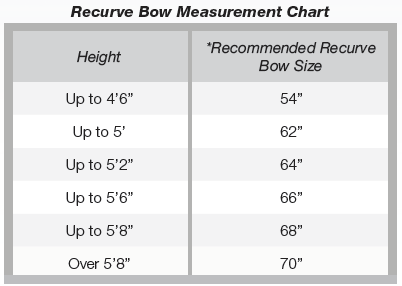
Resources: Recurve Bow Measurement Chart (photo)
-
(2) Explain how to properly care for and store recurve bows and longbows.
Resources: How To Store a Recurve Bow (video)
-
(3) Demonstrate and explain USA Archery’s 11 Steps of Shooting for the bow you are shooting.
Resources: Steps of Shooting (video)
-
(4) Demonstrate the proper way to string a recurve bow or longbow.
Resources: How To String a Recurve Bow (video)
-
(5) Using a bow square, locate and mark with dental floss, crimp-on, or other method, the nocking point on the bowstring of the bow you are using.
Resources: How To Mark a Nock on a Recurve Bow (video)
-
(6) Do ONE of the following:
- (a) Using a recurve bow or longbow and arrows with a finger release, shoot a single round of ONE of the following:
- (1) An NFAA field round of 14 targets and make a score of 60 points
- (2) A Scouting America field round of 14 targets and make a score of 80 points
- (3) A World Archery/USA Archery indoor round and make a score of 80 points (Indoor rounds may be shot outdoors if this is more convenient.)
- (4) An NFAA indoor round and make a score of 50 points (Indoor rounds may be shot outdoors if this is more convenient.)
- (b) Shooting 30 arrows in five-arrow ends at an 80-centimeter (32-inch) five-color target at 10 yards and using the 10 scoring regions, make a score of 150 points.
- (a) Using a recurve bow or longbow and arrows with a finger release, shoot a single round of ONE of the following:
-
- Option B—Compound Bow. Do ALL of the following:
-
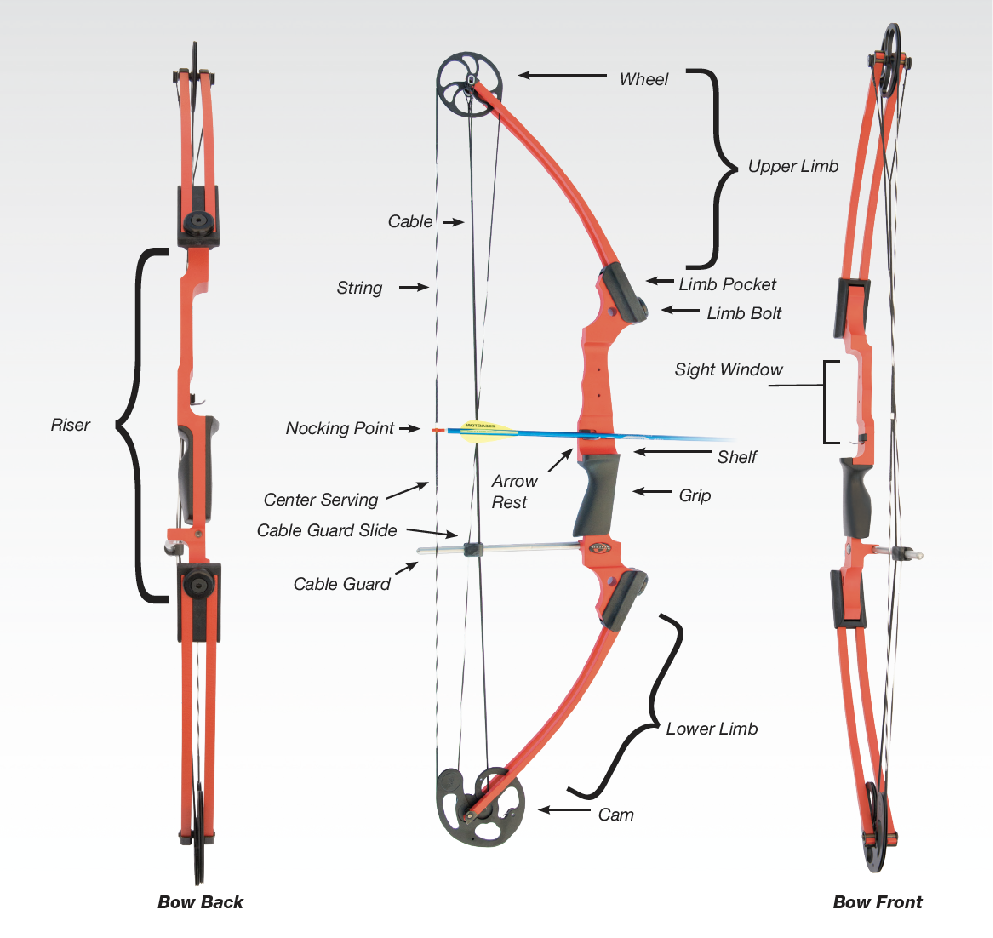
(1) Name and point to the parts of the compound bow you are shooting.
Resources: compound_bow.png (photo)
- (2) Explain how to properly care for and store compound bows.
-
(3) Demonstrate and explain USA Archery’s 11 Steps of Shooting for the bow you are shooting.
Resources: Steps of Shooting (video)
- (4) Explain why it is necessary to have the string or cable on a compound bow replaced at an archery shop.
-
(5) Locate and mark with dental floss, crimp-on, or other method, the nocking point on the bowstring of the bow you are using.
Resources: How To Mark a Nock on a Compound Bow (video)
- (6) Do ONE of the following:
- (a) Using a compound bow and arrows with a finger release, shoot a single round of ONE of the following:
- (1) An NFAA field round of 14 targets and make a score of 70 points
- (2) A Scouting America field round of 14 targets and make a score of 90 points
- (3) A World Archery/USA Archery indoor round and make a score of 90 points (Indoor rounds may be shot outdoors if this is more convenient.)
- (4) An NFAA indoor round and make a score of 60 points (Indoor rounds may be shot outdoors if this is more convenient.)
- (b) Shooting at an 80-centimeter (32-inch) five-color target using the 10 scoring regions, make a minimum score of 160 points. Accomplish this in the following manner: Shoot 15 arrows in five-arrow ends, at a distance of 10 yards AND Shoot 15 arrows in five-arrow ends, at a distance of 15 yards.
- (a) Using a compound bow and arrows with a finger release, shoot a single round of ONE of the following:
-
- Option A—Recurve Bow or Longbow. Do ALL of the following:
Resources
- Archery merit badge page
- Archery merit badge PDF (local copy)
- Archery merit badge pamphlet
- Archery merit badge workbook PDF
- Archery merit badge workbook DOCX
Note: This is an unofficial archive of Scouts BSA Merit Badges that was automatically extracted from the Scouting America website and may contain errors.